Table of Contents
Appliance Damage After Moving In: What to Do?
🎧 Listen to this article
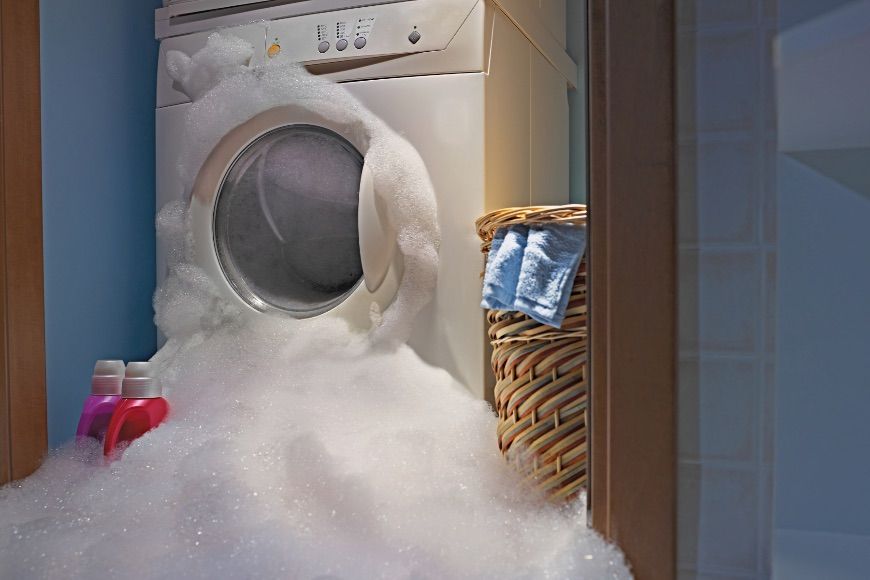
For most people, moving into a new home is an exciting process. However, in Hong Kong, many tenants discover that certain appliances in their new homes are malfunctioning after they’ve already moved in. For example, air conditioners that don’t cool properly, washing machines that leak, or even microwaves that won’t turn on at all! These issues are not just inconvenient; they can also lead to additional costs.
In fact, such situations are not uncommon in the Hong Kong rental market. So, what should you do when you find a problem? In this article, we will share how to handle these unexpected issues and provide advice on how to avoid them in the future.
1. Why Do Problems Appear After Moving In?
There are several reasons tenants might discover appliance issues only after moving into a new home:
- Insufficient Property Inspection: Some tenants may not thoroughly inspect all appliances in the home before moving in.
- Lack of Detailed Lease Terms: Some leases do not clearly outline the condition of appliances or the responsibilities for maintenance, leading to misunderstandings.
- Hidden Issues: Some problems, such as an air conditioner not cooling properly or a leaking washing machine, may only become apparent after using the appliance for some time.
2. What Should You Do if You Find Damaged Appliances After Moving In?
If you discover appliance damage in your new home, you can follow these steps to resolve the issue:
Notify the Landlord or Real Estate Agent Immediately
You should contact the landlord or real estate agent as soon as possible to report the issue. Provide a clear description of the problem, and it’s best to take photos or record a video as evidence to facilitate the follow-up process.
Review the Lease Terms
Check the lease to confirm who is responsible for appliance repairs:
- If the appliance damage is due to natural wear and tear, the landlord is typically responsible for repairs.
- If the damage is caused by misuse, the tenant may be responsible for the repair or replacement.
Seek Professional Inspection and Estimates
You may want to hire a professional technician to inspect the appliance and provide a repair estimate. Both parties can then negotiate a solution based on the estimate:
- The landlord can arrange for repairs and cover the associated costs.
- If the tenant pays upfront, the landlord can later reimburse part or all of the costs.
Keep a Record of Communications
Retain all communication records, including emails, messages, or written agreements. These may serve as important evidence if needed later.
Conclusion
In Hong Kong's rental market, appliance damage is a common issue, but most situations can be effectively resolved if tenants carefully inspect appliances before signing the lease, clearly understand the lease terms, and promptly communicate with the landlord when problems arise.
Good communication and proper handling of the situation can prevent unnecessary hassle and ensure a smoother and more pleasant rental experience. If you want to avoid such problems, choosing a reliable rental platform becomes even more important. LetsGetHome is a Hong Kong-based platform focused on rentals, offering convenient and fast services. Whether it's listing properties, viewing homes, signing leases, or property checks, all services are customizable by landlords or tenants, with payment only required for services actually used. Sign up now to enjoy exclusive offers, including free listings!